A parcel arriving when you are sharing a flat, working from home, or simply prefer to keep your purchases personal should not become a conversation. This guide to cannabis delivery privacy explains what discreet service actually looks like, which details a retailer genuinely needs, and where privacy has sensible legal limits in the UK.
Privacy is not about pretending a purchase never happened. It is about clear handling of your personal information, plain external packaging, secure payment, and delivery choices that give you control. If you are ordering cannabis products, always check that the product and transaction are lawful where you live and that you meet all applicable age and eligibility requirements.
What cannabis delivery privacy should mean
Good privacy starts well before a parcel leaves the warehouse. It means a retailer collects only the information needed to process an order, verify eligibility where required, take payment, and get the parcel to the right place. It also means that information is stored carefully, used for the stated purpose, and not treated as a free pass for endless promotional contact.
For customers, the most visible part is often the package. A discreet parcel should look like ordinary post from the outside, without product names, strain names, loud branding, or imagery that advertises what is inside. Packaging should also be properly sealed and designed to limit odour during transit. Discreet does not mean unlabelled, though. A legitimate shipment still needs accurate delivery information and any legally required documentation.
The quieter details matter too. Confirmation emails should be factual rather than overly descriptive. Delivery notifications should not reveal more than necessary on a locked screen. And customer support should be able to confirm an order without asking you to share sensitive details in an insecure channel.
Discreet packaging is only one part of the picture
A plain box can protect your privacy at the front door, but it cannot fix weak account security or careless data practices. Think of delivery privacy as four connected layers:
- a retailer that is transparent about what it collects and why;
- secure checkout and protected account access;
- neutral, sealed packaging handled by a reliable delivery service;
- delivery options that suit your home, work, or collection routine.
Each layer has a trade-off. More detailed delivery updates can be reassuring when you are waiting for a parcel, but they may also be more visible to anyone who has access to your phone or email. Collection can offer more control than an unattended doorstep delivery, but only if the collection point is convenient and the arrangement meets the retailer’s requirements.
The aim is not maximum secrecy at every cost. It is sensible control, with fewer unnecessary details exposed along the way.
Protect your account before you check out
Your account is often where the most useful privacy decisions happen. Use a unique, strong password rather than reusing one from a social account, streaming service, or old shopping site. If the retailer offers multi-factor authentication, turn it on. A password manager makes both habits far easier to keep.
Use an email address that only you can access. If you share a household inbox, remember that order confirmations, receipts, dispatch updates, and promotional messages may all land there. Check the notification settings on your phone as well. A notification preview can disclose an order on a screen that is otherwise locked.
When creating an account, give accurate details where they are required for delivery, verification, or legal compliance. False information can stop an order being delivered, complicate a refund, and create a bigger privacy headache if support needs to help. Privacy works best when it is built around secure, accurate information, not workarounds.
Before placing an order, take a moment to read the retailer’s privacy notice. Look for plain answers to a few practical questions: what information is collected, whether payment data is handled by a specialist processor, how long data is retained, and how you can manage marketing preferences or request access to your information. Vague language is a reason to pause.
Make checkout private, not complicated
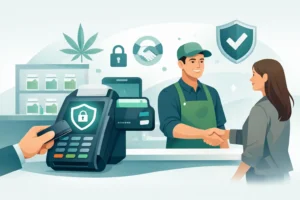
A secure checkout should use encrypted connections and recognised payment processing. You should never be asked to send card details by email, direct message, or text. If something about a payment request feels unusual, stop and contact the retailer through its official customer support route before continuing.
Your bank statement may show a trading or payment descriptor, which can differ from the shop name. That is normal in many sectors, but a responsible retailer should explain what customers can expect before payment is completed. Do not rely on assumptions if discretion around financial records matters to you.
Avoid checking out over public Wi-Fi in cafés, stations, or shared workspaces. If you must use a shared device, do not save card details, log out afterwards, and clear the browser session if appropriate. The same goes for auto-fill. Convenience is useful, but saved information can be visible to the next person using that laptop or tablet.
Marketing is separate from order administration. Transactional messages may be needed to process and deliver your purchase, while newsletters and promotional texts should be manageable through clear preferences. Choose what suits you. A low-key inbox is part of a low-key buying experience.
Choose a delivery setup that fits your routine
The best delivery option depends on where you live and how predictable your day is. If you live in a shared house, a timed delivery window or collection option may feel more comfortable than leaving a parcel in a communal hallway. If you are often out, a tracked service with clear delivery instructions can reduce the chance of a missed parcel sitting somewhere exposed.
Be realistic about safe places. A front step, open porch, or shared reception desk is not private just because it is convenient. Use a secure nominated location only when it is genuinely secure and permitted by the delivery service. If a signature or age check is required, plan to be available and have the relevant identification ready.
Delivery drivers need enough information to complete the job. Keep instructions simple and practical: a flat number, a working buzzer, or a note about access. Avoid adding personal background that is not needed. The less unnecessary information circulating through a delivery network, the better.
Once the order arrives, bring it inside promptly. Do not leave packaging in shared bins with labels or paperwork attached. Remove or obscure personal details before recycling shipping materials, and store products securely, away from children, pets, guests, and anyone who should not have access.
Know the difference between privacy and anonymity
A trustworthy retailer should respect discretion, but it should not promise impossible anonymity. Legal businesses may need to retain certain order, payment, or compliance records for defined periods. Delivery partners also need an address and contact details to carry out their role. Age and identity checks may be required depending on the product, service, and local rules.
That does not mean you should accept broad data collection without question. The standard to look for is proportionality. Is the information necessary? Is the reason explained? Is it protected? Can you change marketing preferences easily? Are staff and partners expected to handle it carefully?
Be wary of sellers that promise to bypass rules, suggest misleading delivery details, or offer payment arrangements that feel deliberately opaque. Those claims are not a privacy feature. They can be a warning that the seller is unreliable, that products may not meet expected standards, or that you will have little support if something goes wrong.
What to do if something feels off
If a package arrives damaged, visibly labelled, opened, or sent to the wrong place, document the issue before disposing of anything. Contact customer support with the order reference and a clear description. You do not need to post personal details publicly to get help.
If you believe your account has been accessed by someone else, change your password immediately, sign out of other sessions if that option is available, and contact the retailer. Check your payment account for unfamiliar activity as well. Speed matters more than embarrassment here.
For repeat buyers, a retailer such as Cannaly should make privacy feel routine rather than mysterious: clear product information, controlled communications, secure checkout, and packaging that keeps the focus where it belongs – on your own moment, not anyone else’s curiosity.
A private delivery experience is usually built from small, sensible choices. Use an account only you control, order through legitimate channels, choose a delivery method that works for your space, and expect the retailer to be just as careful with your data as you are.